
The Ultimate Guide to Sourdough Bread: Science, Art, and Global Impact
Introduction
Sourdough bread, renowned for its tangy flavor, chewy texture, and rustic charm, boasts a history that stretches back thousands of years. In recent times, it has enjoyed a renaissance, emerging as a favorite in trendy cafes and home kitchens. This article delves into the complex science behind sourdough, unraveling the biological and chemical processes that give it its unique qualities. We’ll explore the art of making sourdough, from crafting the perfect starter to mastering baking techniques. Additionally, we’ll examine its modern-day significance, its cultural impact globally, and provide practical advice for both novice and experienced bakers. Embark on this journey through the captivating world of sourdough, where age-old tradition intersects with contemporary innovation.
The Basics of Sourdough
Sourdough is a type of bread made through the fermentation of dough using naturally occurring lactobacilli and yeast. Unlike breads made with commercial yeast, sourdough’s unique flavor and texture come from this natural fermentation process. Key characteristics include its slightly sour taste, dense yet airy crumb, and a chewy crust.
Commercial breads typically use baker’s yeast (Saccharomyces cerevisiae) for leavening, which provides a quick and predictable rise. In contrast, sourdough relies on a combination of wild yeast and lactic acid bacteria. This slow fermentation process enhances the bread’s flavor and nutritional profile, creating a more complex and often more digestible product.
The essential ingredients in sourdough are flour, water, salt, wild yeast, and lactic acid bacteria. Flour provides the structure and source of food for the yeast and bacteria. Water activates the flour’s proteins and starts the fermentation process. Salt adds flavor and controls the fermentation rate. Wild yeast, naturally present in the environment, leavens the bread. Lactic acid bacteria, also naturally occurring, produce the sour flavor.
The Science Behind Sourdough
Microbial life in sourdough includes both yeast and bacteria. Yeast are single-celled fungi that play a crucial role in the fermentation process. The specific types of wild yeast found in sourdough vary by region, which is why sourdough flavors can be so distinct. Lactic acid bacteria, particularly Lactobacillus species, coexist with the yeast in sourdough. These bacteria ferment sugars in the dough to produce lactic acid and acetic acid, contributing to the bread’s flavor and texture.
Fermentation is a metabolic process where microorganisms like yeast and bacteria convert carbohydrates into alcohol or acids. In sourdough, this process occurs in stages. Initial mixing involves flour and water, which hydrates the flour and begins gluten formation. Autolyse is a rest period that allows enzymes to break down starches into sugars. During bulk fermentation, the dough ferments, allowing yeast and bacteria to produce gas and acids. Proofing is the final rise before baking, where the dough develops flavor and structure.
Sourdough is often considered healthier than other breads due to its unique fermentation process. The health benefits include improved digestibility, as the fermentation process breaks down gluten, making it easier to digest. Sourdough also has a lower glycemic index, causing a slower rise in blood sugar levels. Additionally, fermentation increases the availability of nutrients like B vitamins, iron, and zinc.
The Art of Making Sourdough
Creating and maintaining a sourdough starter is the first step in making sourdough bread. This mixture of flour and water captures wild yeast and bacteria from the environment. To create a starter, mix equal parts flour and water and let it sit at room temperature, feeding it daily with fresh flour and water. Regular feedings keep the starter active, and discarding some of the starter before feeding prevents overgrowth.
The dough-making process involves mixing and kneading, combining the starter with flour, water, and salt until the dough is smooth and elastic. Autolyse lets the dough rest to enhance gluten development. During bulk fermentation, the dough is allowed to ferment and rise, with periodic stretching and folding to strengthen the gluten. Proofing involves shaping the dough and letting it rise again before baking.
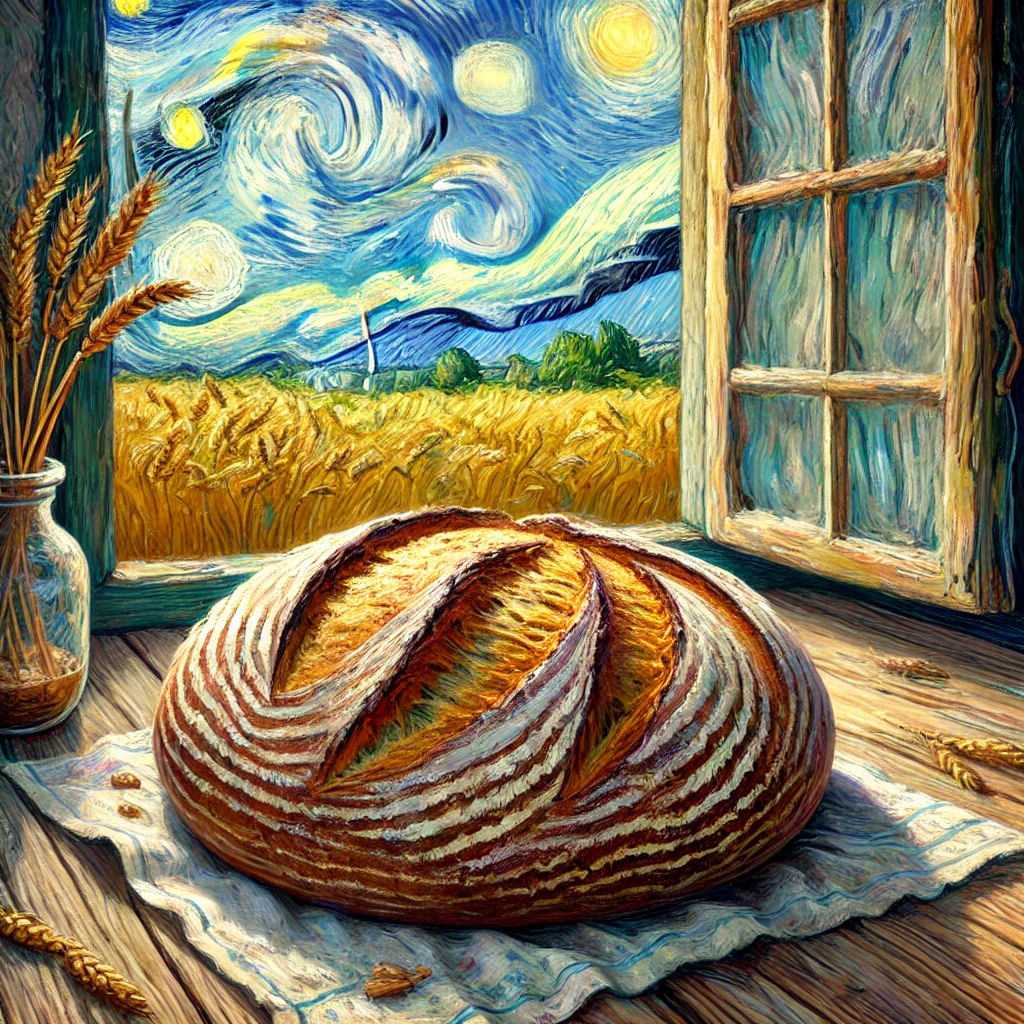
Baking techniques include scoring, which involves making shallow cuts on the surface of the dough to control expansion during baking. Oven settings should be at high temperatures to create a crispy crust, and baking times should be adjusted based on the size and shape of the loaf.
Sourdough in Modern Cuisine
Sourdough’s resurgence can be attributed to its artisanal appeal and the rise of home baking during the COVID-19 pandemic. Influences from social media and celebrity chefs have also played a role. Sourdough isn’t just for bread; creative recipes include pancakes using sourdough discard for a tangy twist, pizza dough that enhances flavor and texture, and pastries such as sourdough croissants and doughnuts offering unique flavors.
Sourdough baking often emphasizes sustainability through the use of local ingredients and reduced waste, utilizing sourdough discard in various recipes.
The Global Influence of Sourdough
Different cultures have unique sourdough traditions. In France, pain au levain is a traditional French sourdough. In Italy, pane di Altamura is made with durum wheat. Germany has rye-based sourdoughs, while India features idli and dosa, fermented rice and lentil batters. China has mantou, which are steamed buns.
Sourdough often carries cultural and ritual significance, such as bread-making festivals celebrating the tradition of sourdough baking and family recipes passed down through generations. Notable bakeries known for their sourdough include Tartine Bakery in San Francisco, Poilâne in Paris, and Hamelman’s Bakery in Vermont.
Troubleshooting and Perfecting Your Sourdough
Common problems in sourdough baking include overproofing, which can be caused by too long fermentation or too warm conditions. The solution is to shorten proofing time or cool the dough. Underproofing results in dense bread, and the solution is to extend proofing time. A weak starter shows signs of minimal rise and poor flavor, and the solution is to feed more frequently and keep at a stable temperature.
Tips for perfecting your technique include maintaining regular feeding schedules for your starter and experimenting with different flours, hydration levels, and fermentation times to find your preferred flavor and texture.
The Future of Sourdough
Emerging trends in sourdough include new fermentation techniques and innovations, increased interest in heritage grains and local ingredients, and advances in sourdough baking technology. Sourdough’s popularity is likely to continue growing as people seek out artisanal, healthier, and more sustainable food options. The blend of tradition and innovation ensures that sourdough remains a beloved and evolving culinary art form.