
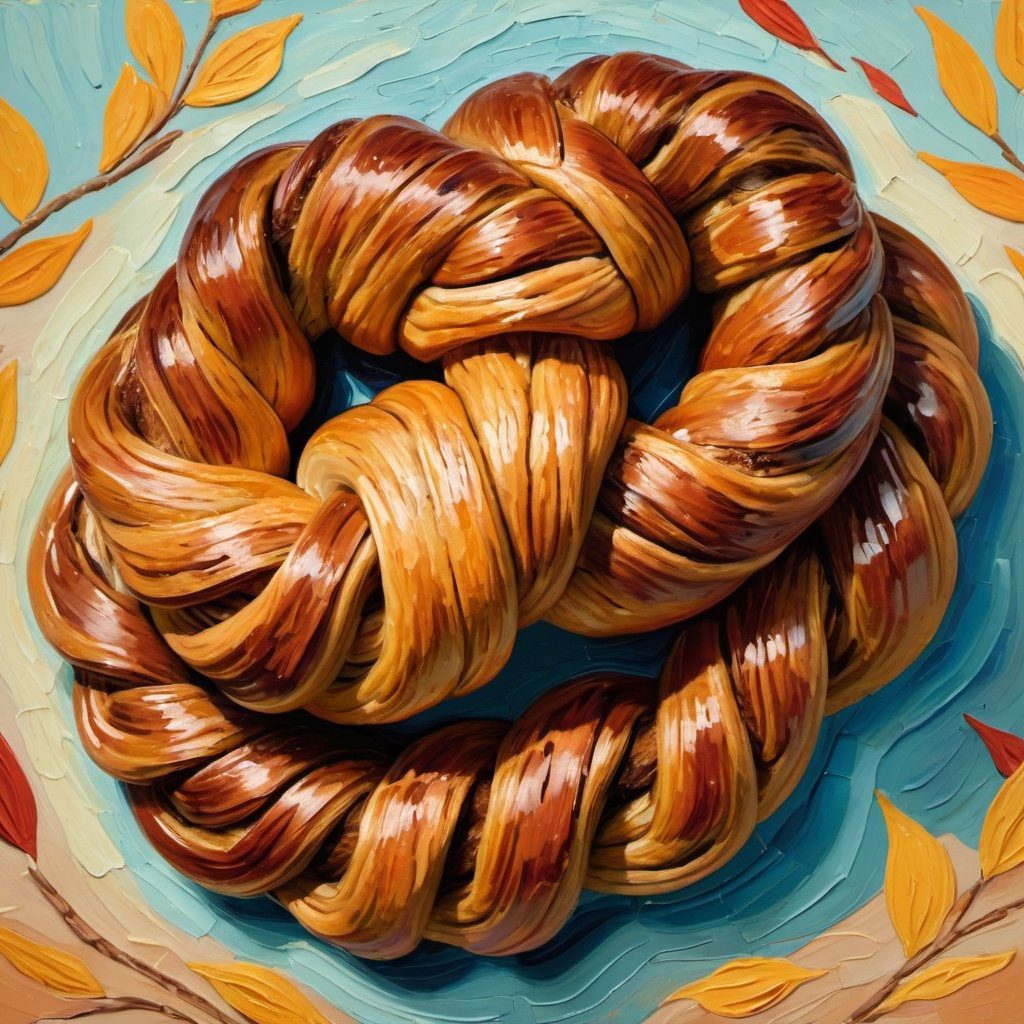
Discover Shokupan: The Fluffy Delight of Hokkaido Milk Bread
What is Shokupan or Hokkaido Milk Bread?
Shokupan, also known as Hokkaido Milk Bread, is a Japanese bread that’s renowned for its incredibly soft, fluffy texture and slightly sweet flavor. This bread has become a staple in Japanese households and bakeries, cherished for its versatility and delightful taste.
A Brief History of Shokupan
The origins of Shokupan can be traced back to the Meiji era (1868-1912), a period when Japan opened up to Western influences. During this time, Western-style bread was introduced to Japan, but it wasn’t until the early 20th century that Shokupan, as we know it today, began to take shape.
In the 1920s, Japanese bakers started experimenting with bread recipes, incorporating local ingredients and techniques. The result was a softer, milkier bread that differed significantly from its Western counterparts. This new bread, known as Shokupan, quickly gained popularity for its unique texture and taste.
The Role of Hokkaido Milk
A key ingredient that sets Shokupan apart is Hokkaido milk. Hokkaido, the northernmost island of Japan, is famous for its high-quality dairy products. The rich, creamy milk from this region is used in the bread dough, giving Shokupan its distinctive flavor and soft crumb.
Traditional Uses in Japan
Shokupan has become an integral part of Japanese cuisine, enjoyed in various forms and meals:
- Morning Toast:
- A classic breakfast choice, Shokupan is often served toasted with butter and jam. Its soft texture and slightly sweet flavor make it the perfect morning treat.
- Sandwiches:
- Shokupan’s versatility makes it ideal for sandwiches. From simple egg salad sandwiches to elaborate katsu sandwiches (breaded pork cutlet), this bread holds up well and complements a variety of fillings.
- Lunch Boxes (Bento):
- Shokupan is a popular choice for bento boxes, where it might be used for sandwiches or simple toast to accompany other lunch items.
- Japanese-Style French Toast:
- Shokupan is also used to make a delicious version of French toast, where the thick slices are soaked in a sweet egg mixture and then fried to a golden brown. The result is a wonderfully fluffy and flavorful dish.
Shokupan and Japanese Warriors
Although Shokupan itself didn’t exist during the time of samurai and ninja, the concept of bread made from local ingredients and baked with care aligns with the meticulous and resourceful nature of these historical figures. Samurai were known for their discipline and attention to detail, traits that are mirrored in the precise methods used to bake Shokupan. Similarly, ninjas, with their emphasis on stealth and efficiency, might appreciate the simple, effective sustenance that Shokupan offers.
Modern Twists on Shokupan
While traditional Shokupan is beloved for its simplicity, modern bakers have introduced a variety of creative twists to this classic bread.
- Matcha Shokupan:
- Adding matcha powder to the dough gives the bread a vibrant green color and a subtle, earthy flavor. This version is popular among matcha enthusiasts and adds a unique twist to the traditional loaf.
- Swirled Shokupan:
- Incorporating swirls of ingredients like chocolate, red bean paste, or sesame creates a visually stunning and flavorful bread. These swirled versions offer a delightful surprise with each bite.
- Stuffed Shokupan:
- Some modern recipes involve stuffing the bread with ingredients such as cheese, sweet potato, or even curry. This variation turns Shokupan into a convenient and tasty snack.
- Artisan Shokupan:
- Artisan bakers are experimenting with different flours, grains, and natural leavening methods to create unique versions of Shokupan that cater to various dietary preferences and tastes.
Shokupan in Japanese Culture
Shokupan is more than just a type of bread in Japan; it’s a cultural icon. It’s commonly enjoyed for breakfast, served as toast with butter and jam, or used to make sandwiches. In recent years, Shokupan specialty bakeries have popped up across Japan, each offering their own take on this beloved bread.
Global Popularity
The appeal of Shokupan has spread beyond Japan, capturing the hearts of bread lovers around the world. Its soft, pillowy texture and mild sweetness make it a favorite among those seeking a comforting and versatile bread. Many international bakeries now offer their versions of Shokupan, often highlighting the use of high-quality ingredients like Hokkaido milk.
Western Uses of Shokupan
Shokupan has found a special place in Western kitchens, where its unique qualities are used in various ways:
- Classic French Toast:
- Shokupan’s thick, soft slices are perfect for making classic French toast. The bread’s ability to absorb the egg mixture without becoming soggy results in a perfect balance of crispy edges and soft, custard-like centers.
- Gourmet Grilled Cheese:
- The soft and slightly sweet nature of Shokupan makes it an excellent choice for gourmet grilled cheese sandwiches. Its texture complements a variety of cheeses, creating a rich and satisfying meal.
- Bread Pudding:
- Shokupan’s absorbent quality also makes it ideal for bread pudding. Its soft texture soaks up the custard mixture beautifully, resulting in a decadent dessert.
- Toasties:
- In many Western countries, Shokupan is used to make “toasties” or toasted sandwiches, filled with everything from ham and cheese to more exotic ingredients like avocado and smoked salmon.
Conclusion
In conclusion, Shokupan, or Hokkaido Milk Bread, is a delightful blend of traditional Japanese baking techniques and high-quality local ingredients. Its rich history and modern adaptations make it a fascinating and delicious bread that continues to evolve. Whether you enjoy it plain, toasted, or with creative fillings, Shokupan is sure to bring a touch of Japanese culinary magic to your table.
FAQs
What makes Shokupan different from regular bread? Shokupan is known for its incredibly soft and fluffy texture, achieved through the use of Hokkaido milk and the Tangzhong method.
Can I make Shokupan without Hokkaido milk? Yes, you can use other high-quality whole milk, but Hokkaido milk gives it the authentic rich flavor and texture.
How long does Shokupan stay fresh? Thanks to the Tangzhong method, Shokupan stays fresh longer than many other types of bread, typically up to a week when stored properly.
Is Shokupan suitable for making sandwiches? Absolutely! Shokupan’s soft texture and slightly sweet flavor make it perfect for both sweet and savory sandwiches.